How Technology Is Changing Consumer Expectations

Technology is reshaping shopper expectations through real-time signals, transparent pricing, and cross-channel experiences. Data-driven insights enable rapid decisions, while AI-assisted support scales with human oversight. Personalization at scale and consent-based profiling drive consistent messaging and proactive help. As privacy and interoperability become foundational, payments and services unfold with frictionless ease. The result is a future where intelligence and security fuse to redefine what customers anticipate—and what brands must deliver to stay relevant.
How Technology Sets New Shopper Expectations
Technology reshapes what shoppers expect by delivering faster, more personalized experiences across channels.
The analysis highlights rising benchmarks in convenience, transparency, and choice, with data-driven metrics guiding strategy.
AI assistants scale support and insights while maintaining human oversight.
Consumers demand data privacy assurances and ethical data use as a baseline, enabling experimentation and freedom to explore personalized journeys without compromise.
Real-Time Information: The Fuel Behind Decisions
Real-time information serves as the essential fuel behind purchase decisions, delivering up-to-the-second signals that shape choices across channels. Data indicates real time pricing and instant inventory updates drive faster commitments, reducing uncertainty. Marketplace transparency and live reviews elevate trust, enabling informed comparisons. Organizations harvest these signals to optimize channel strategies, raise efficiency, and empower consumers seeking freedom through timely, credible insights.
Personalization at Scale Across Channels
As consumers increasingly expect seamless, tailored experiences across touchpoints, personalization at scale across channels emerges as the next frontier. Enterprises leverage data, AI, and consent-based profiling to synchronize messaging, offers, and content.
Cross channel orchestration enables consistent brand narratives, faster experimentation, and measurable ROI.
Future readiness hinges on governance, interoperability, and transparent customer control, delivering freedom through intelligent, non-intrusive personalization at scale.
Seamless Interactions: Payments, Services, and Proactive Support
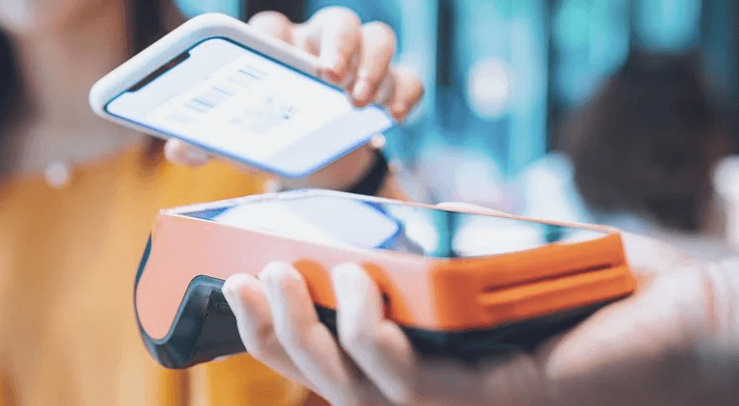
Seamless interactions across payments, services, and proactive support are becoming the benchmark for customer expectations, with data-driven ecosystems enabling instant, frictionless experiences. The landscape emphasizes minimized payments latency, automated verification, and unified service channels. Proactive assistance emerges as a differentiator, forecasting needs before questions arise, reducing friction, and guiding decisions. Enterprises invest in interoperability, real-time analytics, and frictionless onboarding to sustain trust and loyalty.
Frequently Asked Questions
How Do Privacy Concerns Shape Consumer Trust With New Tech?
Privacy ethics shape trust by signaling responsible handling; data minimization strategies reduce exposure, enhance transparency, and build credibility. The analysis indicates that privacy-conscious design correlates with loyalty, while forward-looking firms must quantify risk, communicate safeguards, and prioritize user autonomy.
Will AI Replace Human Judgment in Customer Service?
AI judgment will augment rather than replace human insight in customer service; machines handle routine efficiency while humans retain complex empathy, nuance, and oversight. Data-driven trends indicate AI judgment enhances consistency, but freedom-led experiences still rely on human judgment.
Can Small Businesses Compete With Big Brands on Data Insights?
Sparks fly, as small business can compete with big brands on data insights through nimble analytics, targeted experimentation, and affordable tools; the path is data-driven, forward-looking, and freedom-minded, enabling scalable decisions that rival larger competitors.
See also: innewstoday
What Is the True ROI of Real-Time Personalization?
Real-time personalization yields variable but measurable gains; its true ROI hinges on incremental revenue from targeted experiences. Real time metrics track uplift, while personalization ROI hinges on customer lifetime value, retention, and efficient ad spend in a forward-looking framework.
How Do Tech Outages Affect Shopper Expectations Long-Term?
Long term outages recalibrate shopper expectations, suggesting durable harm to brand trust and slower recovery. Data indicates resilience becomes a competitive advantage, as customers reward transparent communication and rapid recovery, shaping long term outages tolerance and continued demand for reliable experiences.
Conclusion
As shoppers demand faster, more transparent experiences, technology continually raises expectations across real-time signals, cross-channel personalization, and seamless payments. Data-driven insights enable proactive support and scalable AI-guided assistance, all governed by privacy and consent. Despite rapid change, outcomes hinge on interoperable systems and trusted governance. In this landscape, one adage fits: the best predictor of future behavior is past behavior—yet with real-time data, brands can anticipate needs more accurately than ever, delivering intelligent, secure journeys.